
Quick Summary
Every concrete pour ends with drivers washing out chutes and hoppers, and that wash water has to go somewhere. In Prattville and Millbrook, more builders are putting a leak-proof washout basin on the pad before the pour. It keeps the slurry contained, keeps the site clean, and gives the builder a record of how the waste was handled.
The problem with washing out on the ground
Concrete wash water is not just dirty water. It carries cement fines and has a high pH, and when it runs across a lot it stains driveways and sidewalks, kills grass, and can reach a ditch or storm drain. On a busy residential street in Prattville or a new subdivision in Millbrook, that runoff is the kind of thing neighbors, inspectors and stormwater rules all notice.
A pit dug in the dirt is the old answer, but it leaves hardened concrete buried on the lot and does little to stop the wash water from soaking in. Builders who want a clean final grade, and no surprises at inspection, have moved away from it.
How a washout basin works on the site
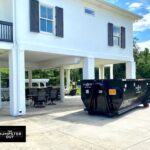
One call puts a basin on the pad before the pour. When the trucks finish, drivers wash their chutes and hoppers into the basin before they get back on the road. The basin is leak proof, so the concrete and the wash water stay in it instead of running across the lot.
At the end of the project the basin is picked up. The hardened concrete is crushed for road base instead of going to waste, and the load is weighed on the truck, which gives the builder records that count toward green building and LEED paperwork.
- One basin takes the washout from around 8 to 10 trucks
- Low enough to sit under a pump truck for easy cleanout
- Light enough for one person to move around the site
- Watertight, so it does not stain concrete, asphalt or pavement
- Delivered with an off-road forklift that handles mud and rough ground
What it does for compliance
Construction sites in Alabama answer to stormwater rules, and concrete washout is one of the items inspectors look at. A contained basin is a simple way to show that wash water is not reaching the storm system. The service covers EPA, SWPPP, LEED and NPDES compliance, which is time a superintendent does not have to spend building and maintaining a pit.
It also helps at the end of the job. With no buried concrete and no stained apron, the lot is ready for final grade and landscaping without extra cleanup.
Where builders in Prattville and Millbrook use them
Basins show up on new home construction, driveway and sidewalk pours, small commercial slabs and pool decks. Builders running several houses in the same subdivision often keep a basin on each active lot during the slab and flatwork stages.
For builders in Autauga and Elmore counties, there are washout basins for Prattville job sites and Millbrook slab pours on the same schedule as the dumpster service, so one call can cover both the basin and the roll-off for framing and drywall waste.
Setting one up for your next pour
Call a day or two before the pour so the basin is in place when the first truck shows up. Tell us how many trucks you expect and whether a pump truck will be on site, and the basin can be placed where the drivers can reach it without blocking the pour.
The Dumpster Guy Montgomery handles washout basins and dumpsters across the River Region. A fuel surcharge may apply in some areas. Dumpster terms are on the dumpster rental prices page, and you can call 334-500-5800 to schedule a basin.
Key Takeaways
- Concrete wash water carries cement fines and high pH, and it stains and runs off when washed out on the ground.
- A leak-proof basin keeps the slurry contained on the pad.
- One basin takes the washout from around 8 to 10 trucks.
- The hardened concrete is crushed for road base and weighed for green building records.
- Call a day or two before the pour so the basin is in place.
Frequently Asked Questions
How many trucks can wash out into one basin?
A single basin takes the washout from around 8 to 10 trucks.
Can a washout basin sit under a pump truck?
Yes. The basin is low enough to sit under a pump truck, which makes cleanout simple.
What happens to the concrete in the basin?
At the end of the project the basin is picked up, and the hardened concrete is crushed for road base.
Does a washout basin help with stormwater compliance?
Yes. A contained, leak-proof basin keeps wash water out of the storm system, and the service covers EPA, SWPPP, LEED and NPDES compliance.